
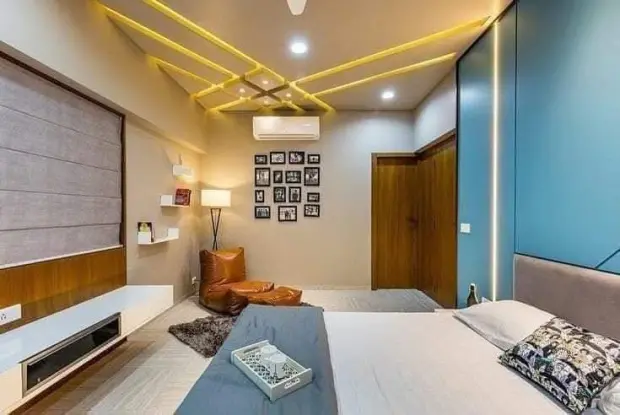

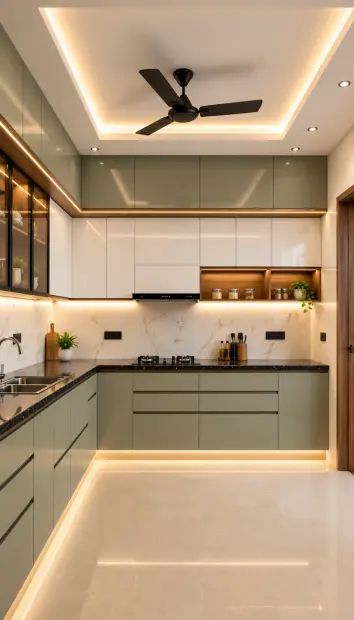
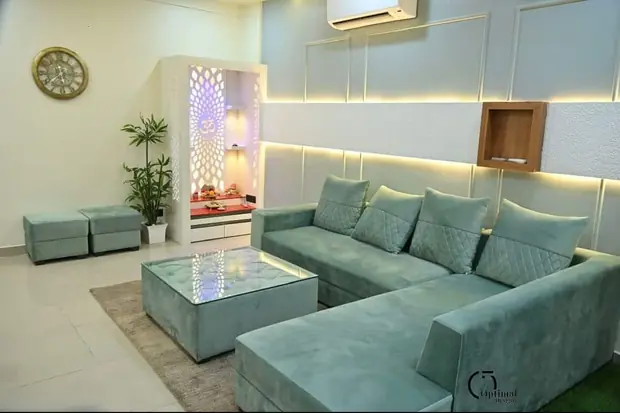
Smart & compact
2 BHK
Space-saving furniture, modular kitchen, 2 bedrooms with wardrobes and a living room that feels bigger than it is.
Get a quote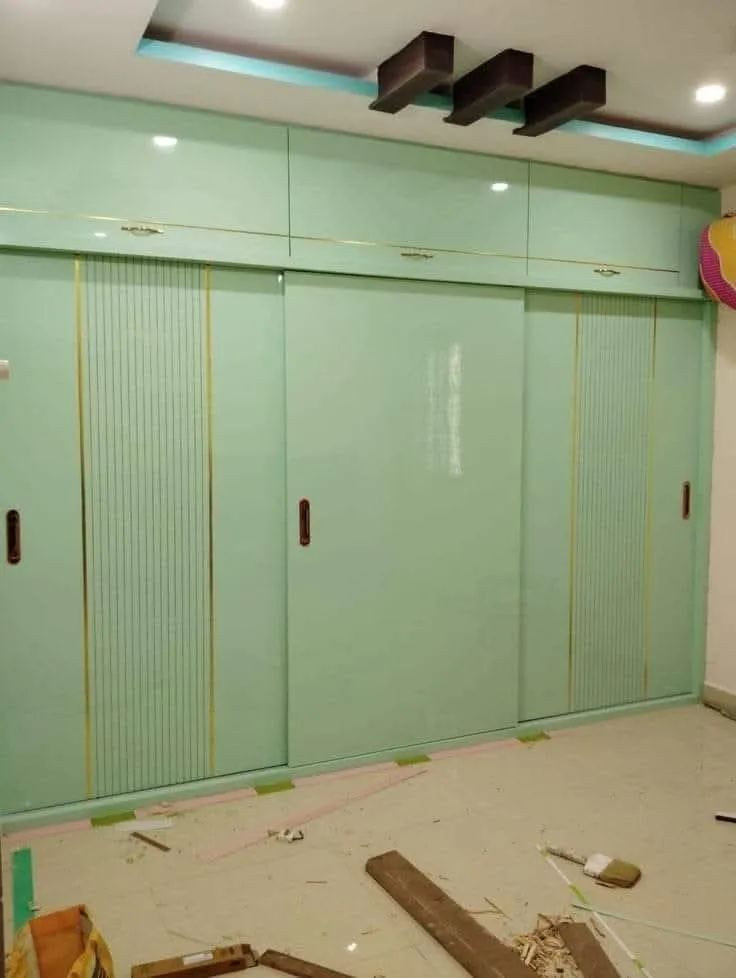
Transform plain walls into beautiful focal points with custom wall textures and painting in Kolkata, thoughtfully designed to complement your colours, furniture, lighting and overall interior style.
![Stylish wall [texture and painting design] in Kolkata by [Agnimitra Interior] Design.](img/p/up-260930-abcc4bfc.webp)
Bring your walls to life with stunning colours, rich textures and stylish finishes designed to elevate your entire interior.
Wall texture refers to a decorative treatment that gives a wall more visual character than a conventional smooth painted surface. Depending on the design, a textured finish can create subtle variation, patterns, depth or a tactile appearance.
A textured wall can make a plain surface more interesting, but texture does not automatically mean that a wall needs to look heavily decorated. Modern interiors often use restrained textures that create depth while maintaining a clean appearance.
The choice of finish should consider the room's dimensions, lighting, furniture, colour palette and interior style. A texture that looks attractive in a brightly lit showroom may appear considerably different in a compact bedroom with limited natural light.
Decorative wall finishes can work particularly well for:
The objective is to select a finish that supports the complete design rather than treating texture as an isolated decoration.
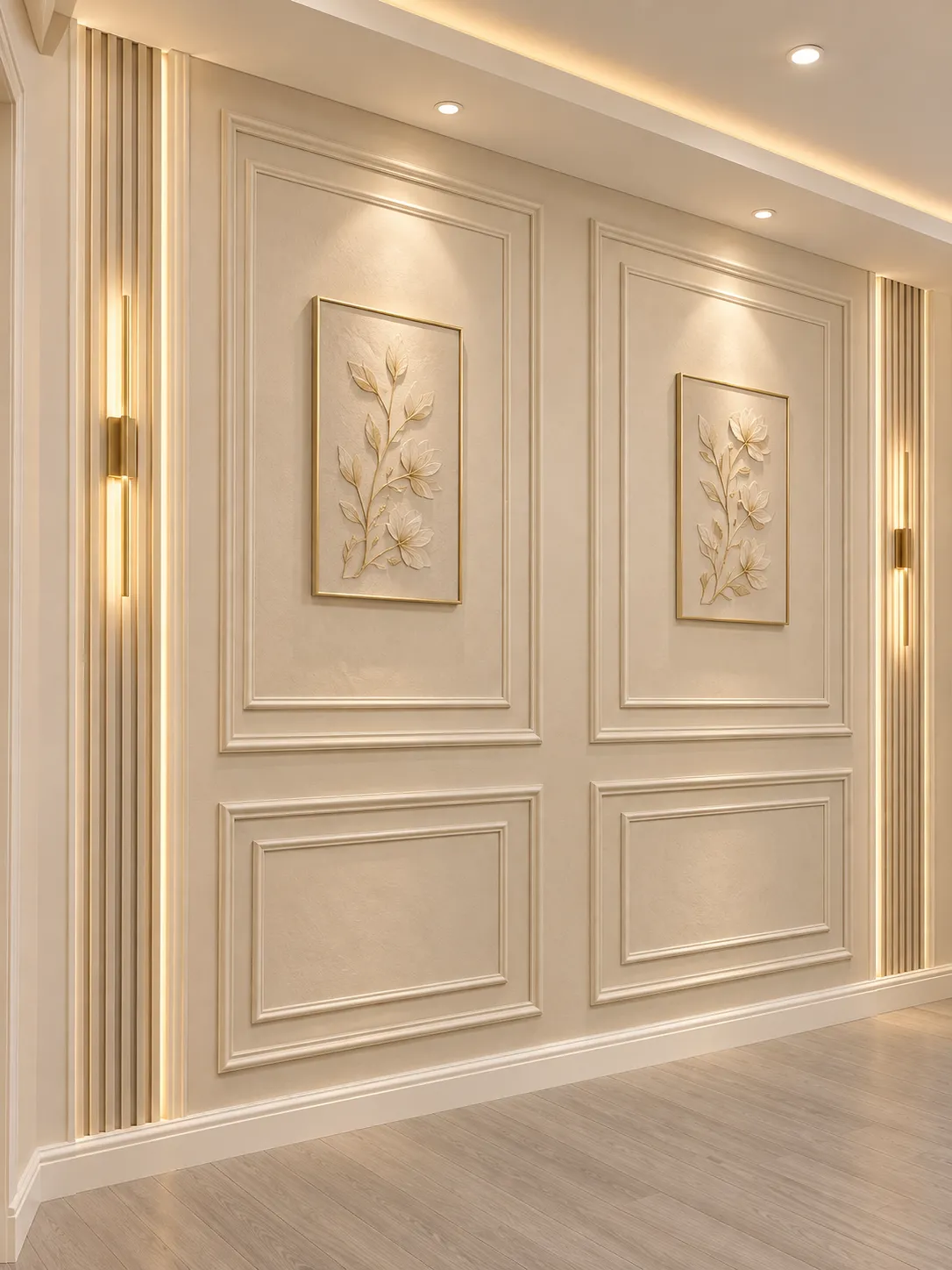
Modern wall textures generally work with clean shapes, controlled patterns and understated visual details. They can introduce depth without making the room feel overly decorative.
For contemporary apartments, a restrained texture combined with a neutral or carefully selected colour can create a sophisticated backdrop for furniture, lighting and decorative elements.
The living room is usually one of the most visible areas of a home, making wall selection particularly important. A living room wall texture can be coordinated with sofa upholstery, curtains, flooring, ceiling design and decorative lighting.
A subtle texture may suit a minimalist living room, while a more expressive feature finish can work in a room designed around a stronger visual concept.
Bedroom walls generally benefit from thoughtful colour and texture choices that support a visually comfortable environment. Texture behind the bed can create a natural focal point without requiring decoration across every wall.
The wall treatment should also coordinate with the bed, headboard, wardrobes, curtains, side tables and bedroom lighting. Softer patterns and balanced colour combinations can help maintain visual calm.
Choosing wall paint involves more than selecting a colour from a catalogue. The same colour can appear different depending on the room, light conditions and surrounding materials.
Before finalising an interior wall painting scheme, several factors deserve attention.
Room size: Lighter or carefully balanced colours can influence how open a compact room feels, while larger rooms provide more flexibility for deeper shades and contrasting surfaces.
Natural light: A wall receiving strong daylight may look substantially different from a wall in a darker part of the home.
Artificial lighting: Warm or cool artificial light can alter the perceived appearance of paint and texture, particularly during evening hours.
Furniture: Sofas, beds, wardrobes, TV units and other large furniture pieces occupy significant visual space. Wall colours should work with these elements rather than compete with them.
Flooring and ceiling: The wall should form part of the overall colour relationship between floor, ceiling and vertical surfaces.
Existing décor: Curtains, rugs, artwork, decorative furniture and accessories can influence the appropriate colour direction.
Desired atmosphere: Different colour combinations can contribute to a calm, warm, energetic, formal or contemporary visual character.
Maintenance: Practical considerations are important in frequently used areas. The selected finish should suit the room's usage and expected maintenance requirements.
It is also useful to remember that a small colour sample cannot always represent how a colour will appear across an entire wall. The surrounding surfaces, lighting, wall size and room context can change the visual effect considerably.
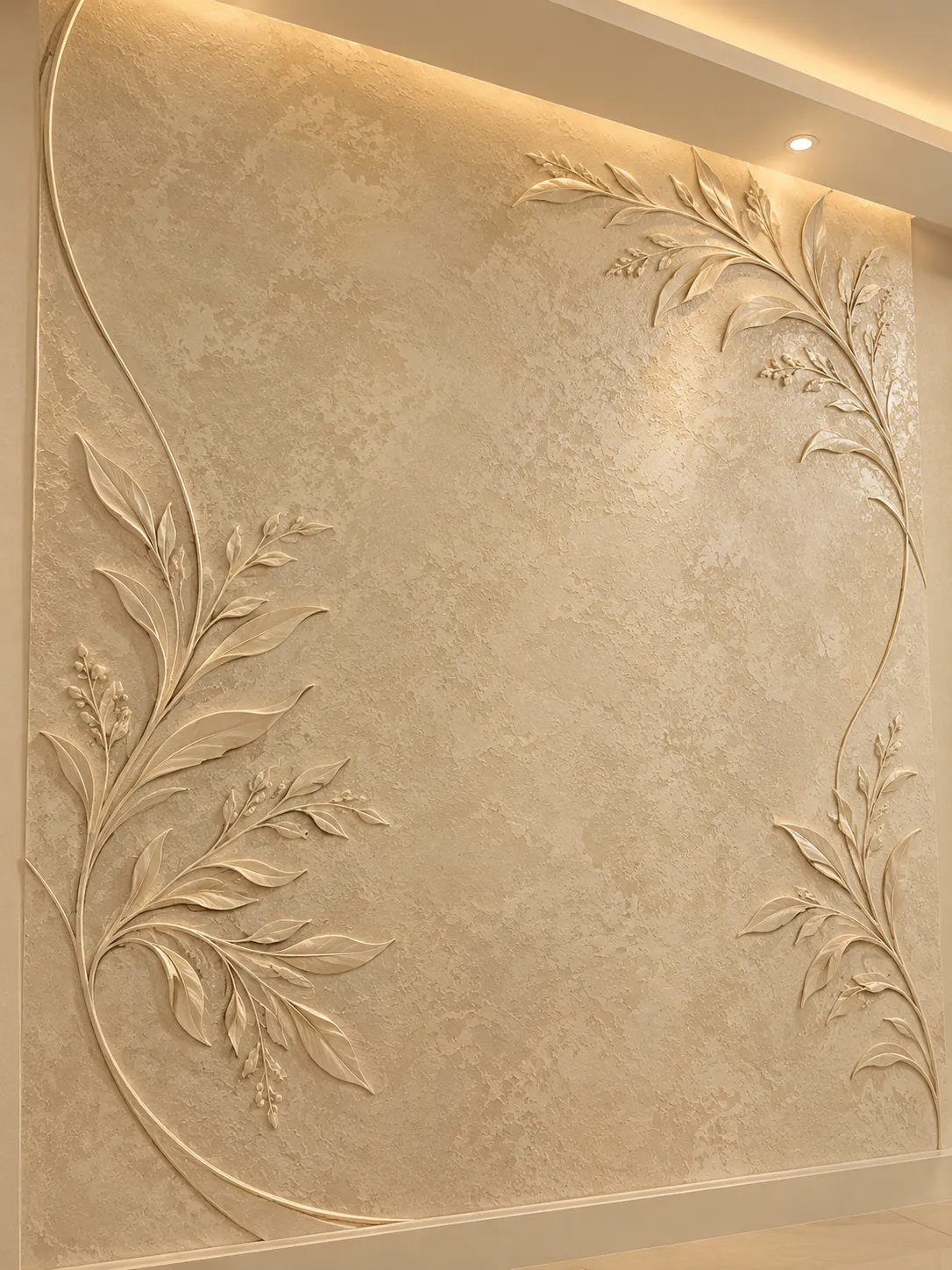
Bedroom wall treatments can be coordinated with the bed, headboard, wardrobes and curtains. A feature wall behind the bed can establish the main visual direction, while the remaining walls can use a complementary paint finish.
The objective is to create consistency rather than filling every surface with decoration.
A dining wall can use colour, texture or a decorative finish to distinguish the eating area from adjacent spaces. In open-plan homes, an accent treatment can visually define the dining zone without requiring a physical partition.
The finish should also work with dining furniture, pendant lighting and nearby flooring.
The entrance is often the first interior area visitors see. A carefully selected wall finish can establish the design language of the home from the beginning.
A compact foyer may benefit from a simple finish with controlled contrast, while a larger entrance can accommodate a more distinctive feature treatment.
The TV wall requires special consideration because the screen, furniture, storage and lighting already create several visual elements.
Texture, paint, panels and lighting can be combined around a TV unit to create a coordinated entertainment wall. The selected finish should provide enough visual interest without making the screen area unnecessarily busy.
For a more complete entertainment-space concept, the wall treatment can be coordinated with your TV unit and furniture design.
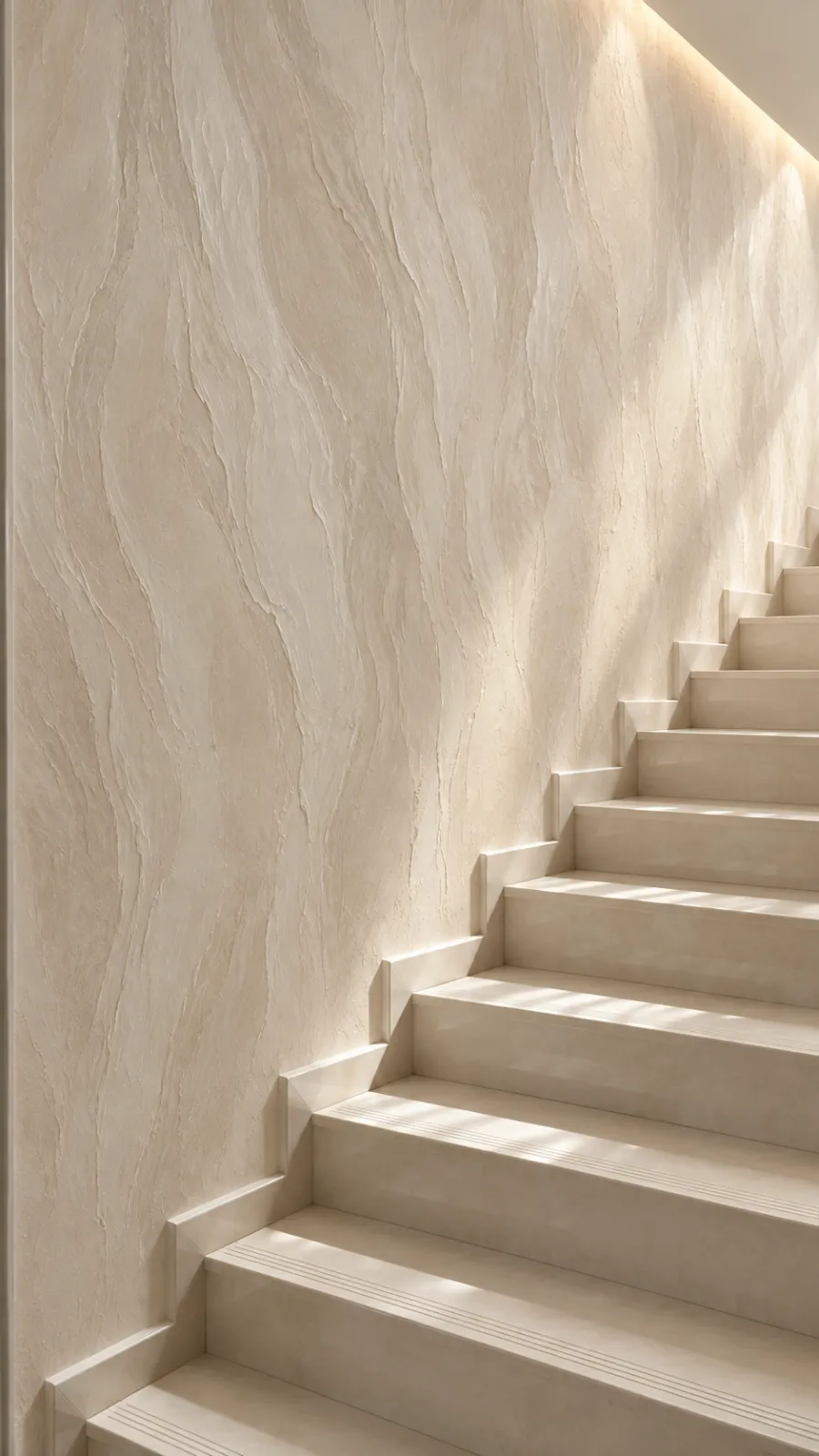
Important considerations can include:
Surface preparation is particularly important because decorative finishes can make certain imperfections more noticeable rather than hiding them.
The appropriate preparation and application method will depend on the existing wall, selected finish and project requirements. For renovation projects, the existing surface should therefore be evaluated before the final finish is decided.
Lighting can dramatically change the appearance of a textured wall. A finish that looks subtle under diffuse daylight may produce stronger shadows under directional artificial lighting.
Natural light changes throughout the day and can reveal different parts of a textured surface at different times.
Ceiling lights can create broad illumination, while the direction and intensity of the light may affect how texture appears.
Wall lights placed close to a textured surface can emphasise its depth and pattern. This can be useful for feature walls but needs careful planning.
LED lighting can be integrated into furniture, false ceilings or selected architectural details to create additional visual layers.
Accent lighting can intentionally draw attention towards a feature wall.
For this reason, texture and lighting should ideally be considered together. A wall finish should not be selected without thinking about how the wall will actually be illuminated after the interior is completed.
A wall should complement the room rather than compete with everything placed in front of it.
For example, a TV wall may need to coordinate with the TV unit, storage and lighting. A bedroom feature wall should relate to the bed, headboard and wardrobe. A living room wall may need to work with the sofa, curtains and flooring.
Other elements that may influence the wall treatment include:
This integrated approach is particularly important in home interior design in Kolkata, where apartments often require multiple functions to work within the same space.
A wall that looks attractive by itself may not necessarily work well once furniture, lighting and other finishes are installed. Considering the complete room helps create a more consistent result.
For an apartment interior, painting may need to be coordinated with modular furniture, wardrobes, kitchens, false ceilings and electrical work. During renovation, existing surfaces may require additional preparation before a new finish can be considered.
A practical interior painting service in Kolkata should therefore look beyond colour selection and consider the complete interior environment.
At Agnimitra Interior Design, wall painting and decorative finishes can be planned alongside broader interior requirements so that the selected treatment fits the intended design of the home.
Transform ordinary walls into stunning features with beautiful colours, creative textures and finishes that perfectly complement your interior.

Shop No. 3, 48, Vivekananda Sarani,
Purbachal, Thakurpukur, Kolkata, West Bengal 700063
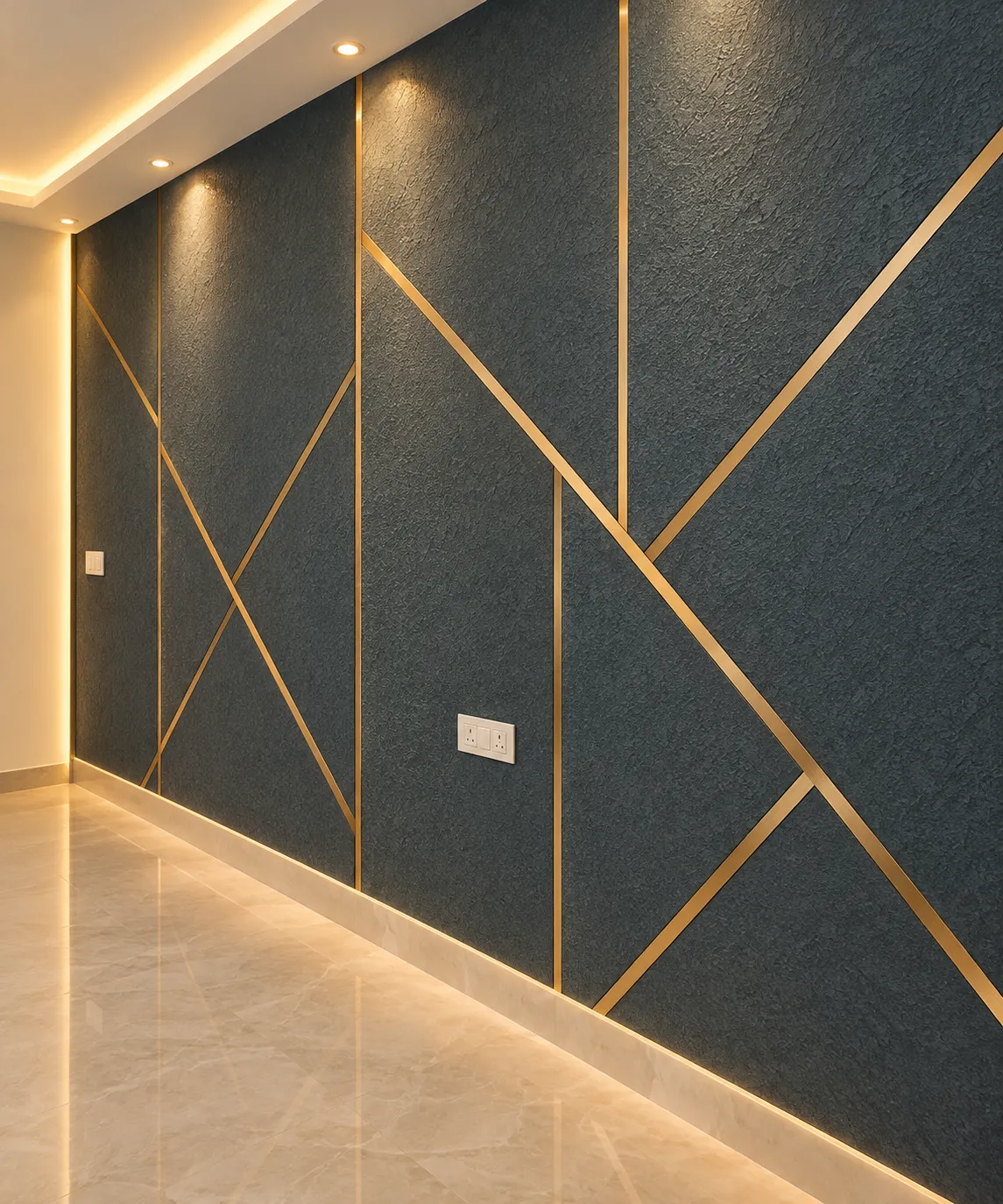
Transform ordinary walls into stunning features with beautiful colours, creative textures and finishes that perfectly complement your interior.
Choosing a texture becomes easier when the decision is based on the complete room rather than a single sample.
Consider the following:
Room size: Strong patterns can dominate compact spaces, while larger rooms may provide more flexibility.
Interior style: Minimal, contemporary, traditional and eclectic interiors may require different approaches to wall finishes.
Lighting: Consider both daylight and planned artificial lighting before finalising the texture.
Furniture: The wall should complement the size, colour and design of major furniture pieces.
Colour palette: Texture and colour should work together rather than creating unnecessary contrast.
Maintenance: Consider how frequently the wall will be touched, cleaned or exposed to everyday activity.
Personal preference: The wall should reflect the homeowner's desired atmosphere and visual taste.
Budget: More complex treatments or additional preparation can affect the overall project scope.
Existing décor: The new wall finish should work with flooring, curtains, furniture and existing decorative elements.
Directional light can make texture appear much stronger than expected. Lighting should therefore be part of the selection process.
Multiple textures and colours within one room can create visual competition. A controlled combination is generally easier to coordinate.
A decorative finish cannot replace proper assessment of the underlying surface. Existing imperfections may affect the final appearance.
A wall colour should be viewed alongside the actual furniture and décor whenever possible.
The quality of the underlying surface can influence the final result, particularly with decorative finishes.
Some decorative surfaces may require more attention than a straightforward painted wall. Practical use should be considered before selection.
A texture is often more effective when it has a clear purpose. Using it across every wall can reduce its ability to create a focal point.
Wall lights, LED details, switches and other electrical elements should be considered before the final wall design is completed.
The wall should be coordinated with furniture, flooring, ceilings, lighting and the overall interior concept.
There is no single price that applies to every wall texture and painting project because the scope can vary considerably.
Important cost factors can include:
A project involving a straightforward repaint may have very different requirements from one involving surface preparation, decorative texture, feature-wall design and coordinated lighting.
The actual project scope is therefore better understood after considering the walls, room conditions and selected design.
Every project can have different requirements, so the exact sequence may vary. A typical project may involve the following stages:
We begin by understanding the room, design preferences, existing décor and the type of wall treatment being considered.
The space is reviewed to understand dimensions, lighting conditions, furniture placement and other relevant design factors.
Existing surfaces are considered before deciding on the appropriate preparation and finish.
Colour combinations, texture direction and finish are discussed in relation to the room's overall interior.
The preferred wall treatment is selected based on the room, visual objectives and practical requirements.
The wall is prepared according to its condition and the requirements of the selected finish.
The planned texture and/or paint treatment is applied as appropriate for the project.
We conduct rigorous multi-point quality checks on hardware, finishes, and fittings, followed by cleaning of the premises.
The completed work is checked as part of the project finishing process.
The finished area is reviewed with the client as part of the overall project handover.
Explore our latest wall texture and painting projects, crafted to add style and character to modern interiors.
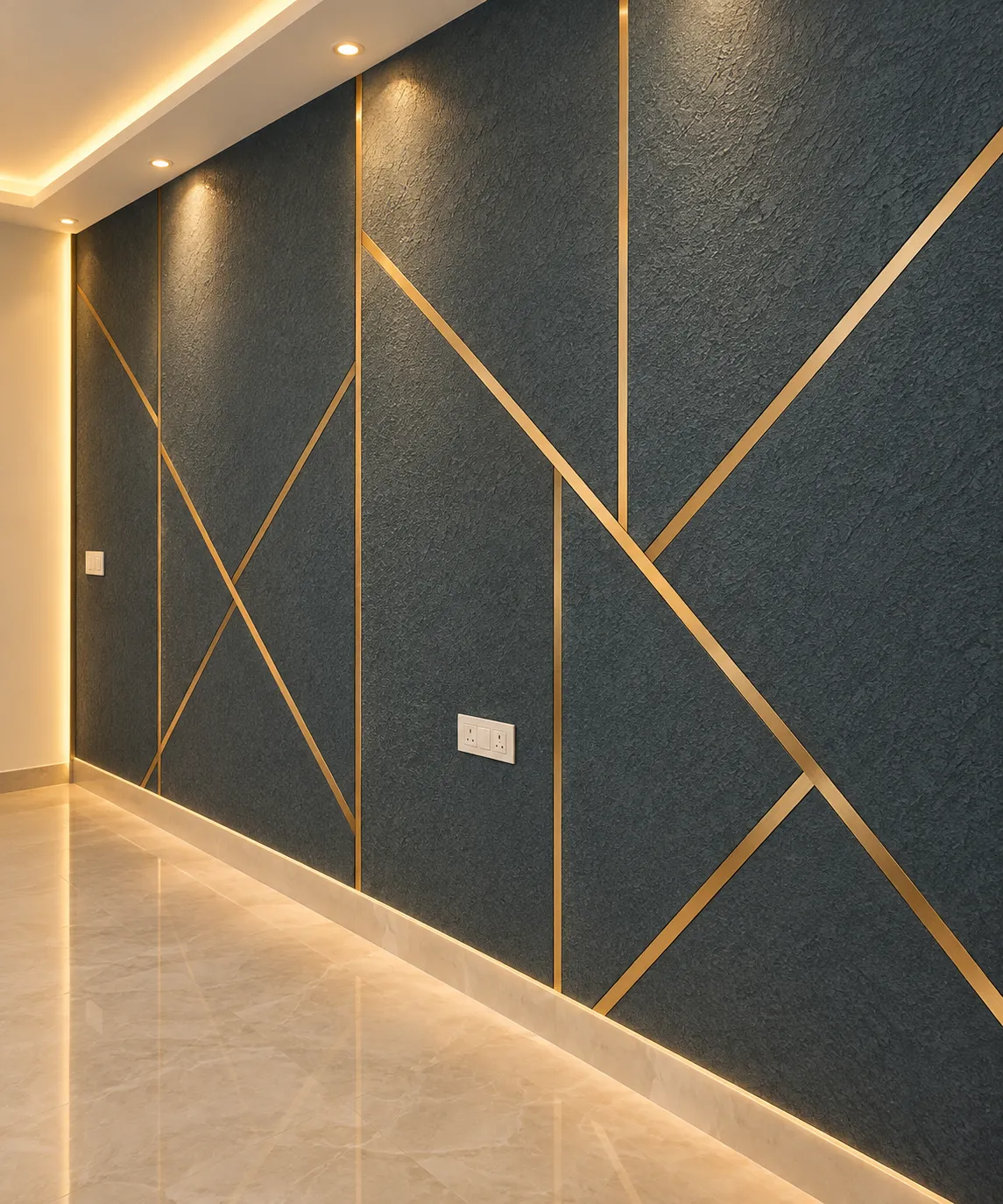
Fresh designs, beautiful textures and stunning finishes for modern interiors.
Get a free quote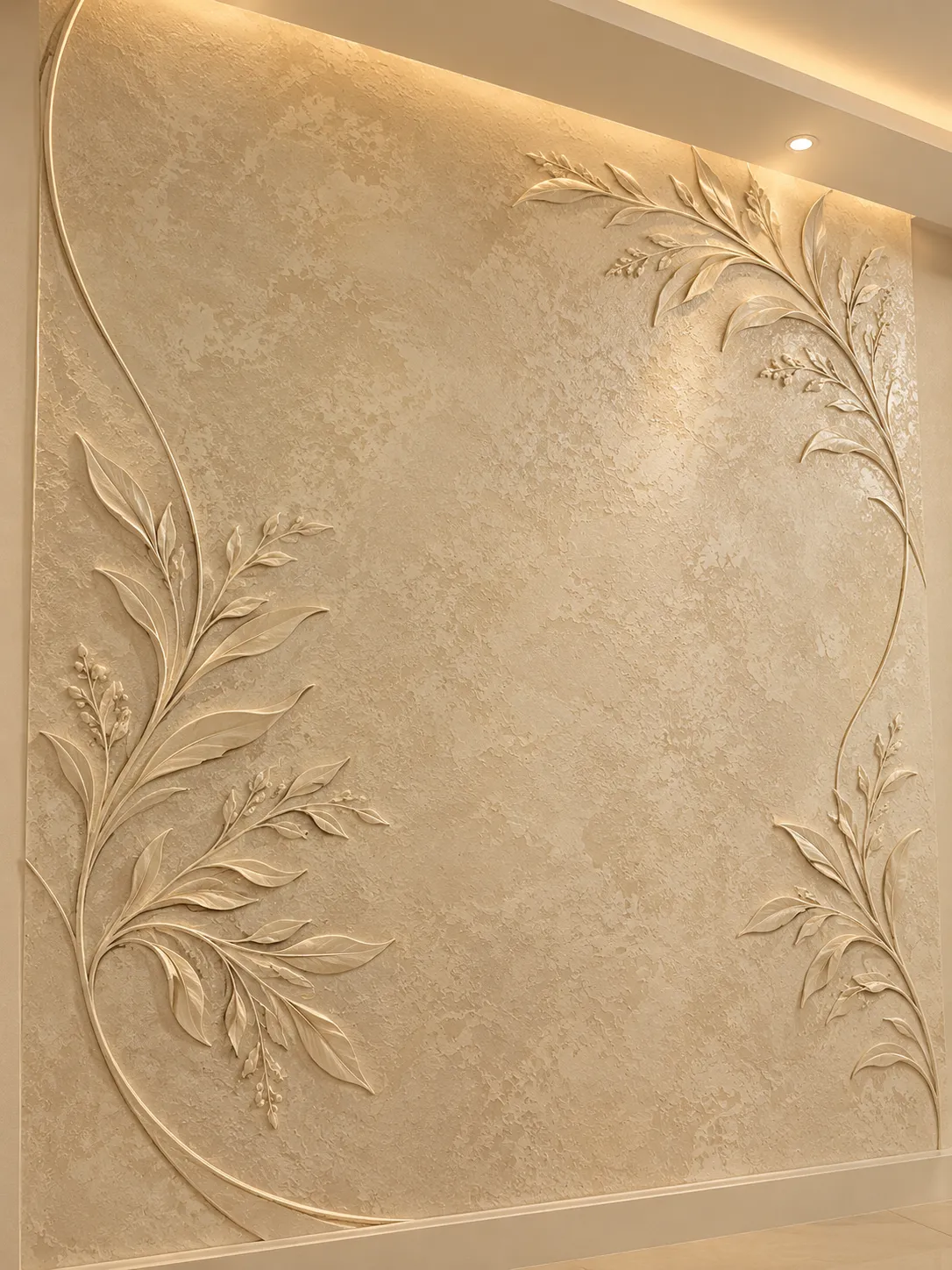
Beautiful textures. Bold colours. Interiors that make an impression.
Get a free quote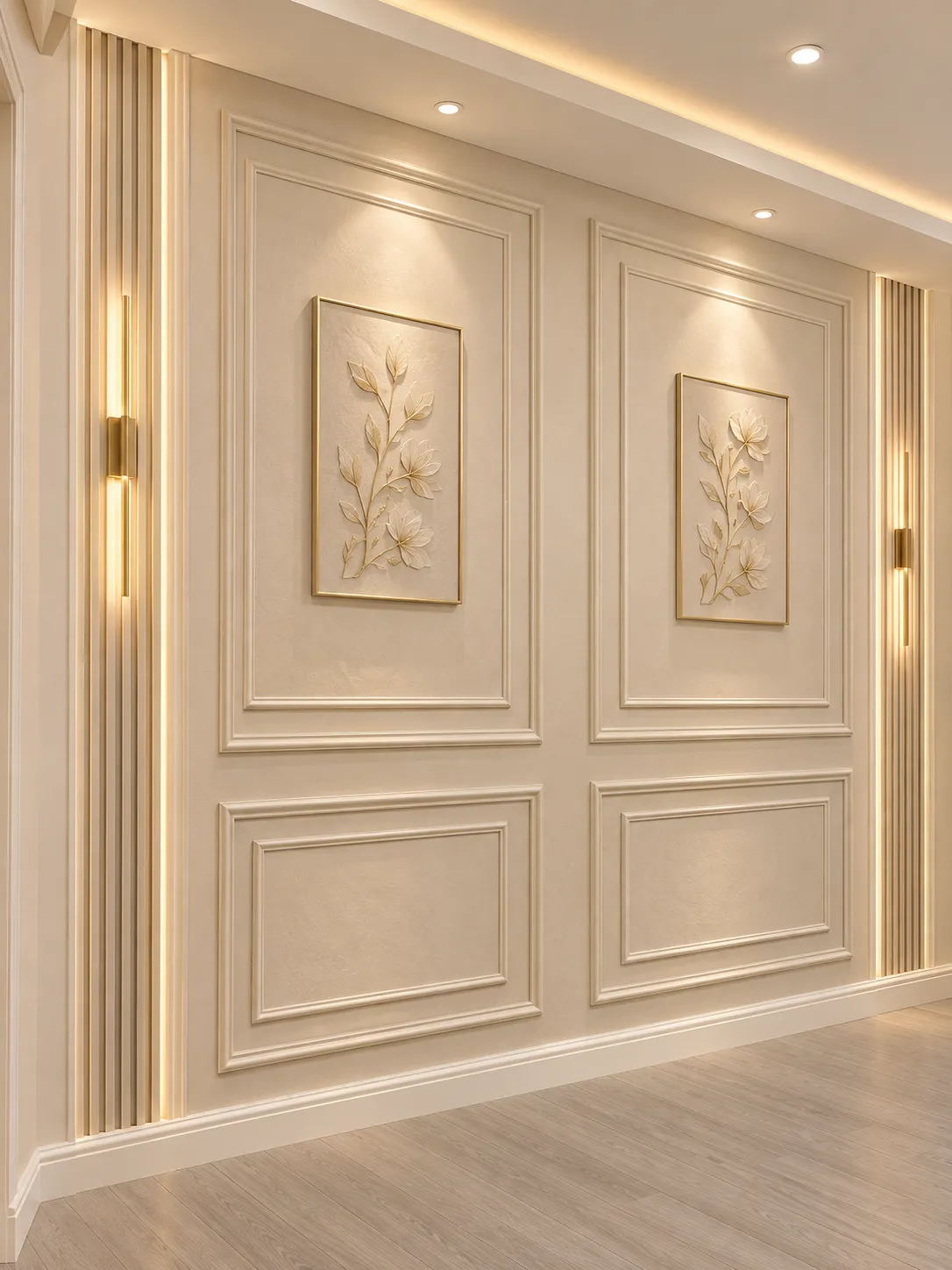
Regular wall paint primarily changes the colour and finish of a wall, while wall texture adds additional visual depth or surface character. Both can also be combined within the same interior.
Yes, but the texture should be selected carefully. A subtle feature wall or restrained finish may work better than using a strong texture across every surface in a compact room.
Feature walls, TV walls, bedroom walls, living room walls, dining areas and selected foyer surfaces can all be considered. The appropriate wall depends on furniture placement, lighting and the overall interior design.
Yes. A common design approach is to use a decorative finish on one selected wall while keeping the surrounding walls smooth and painted.
Yes. Texture, paint, furniture panels and lighting can be planned together around a TV unit. The objective is to create a balanced entertainment wall without making the screen area visually crowded.
Lighting direction and intensity can change how texture appears. Side lighting can emphasise surface variations and shadows, while softer illumination may create a more understated appearance.
Consider the room size, interior style, natural and artificial lighting, furniture, colour palette, maintenance requirements, existing décor, personal preference and project budget.
In many renovation situations, existing walls can be assessed and prepared before applying a new finish. The required preparation depends on the actual condition of the surface and the proposed treatment.
Wall area, surface condition, preparation work, finish type, texture complexity, paint selection, labour and additional decorative or repair requirements can all influence the project scope and cost.
The duration depends on the size of the project, wall condition, preparation requirements, selected finish and other work happening at the same time. A specific timeline is better determined after understanding the project requirements.
Read what our clients say about working with AgnimitrA — or tell others about your own experience with us.
Shop No. 3, 48, Vivekananda Sarani,
Purbachal, Thakurpukur, Kolkata, West Bengal 700063
Open 24 hours · All 7 days
Tell us your flat size — we’ll share a design direction and a clear, itemised quote.
Space-saving furniture, modular kitchen, 2 bedrooms with wardrobes and a living room that feels bigger than it is.
Get a quote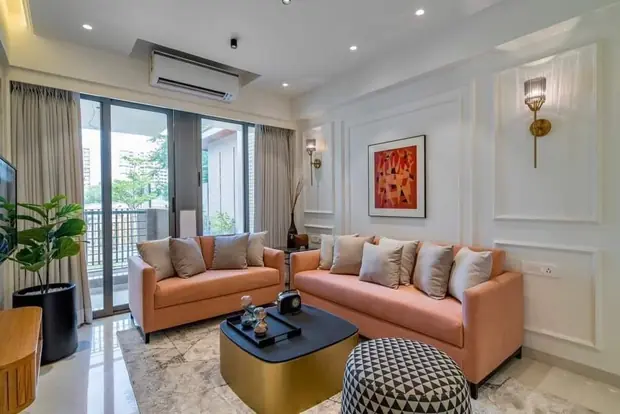
Full-home design with feature walls, false ceilings, kitchen, 3 bedrooms and storage for a growing family.
Get a quote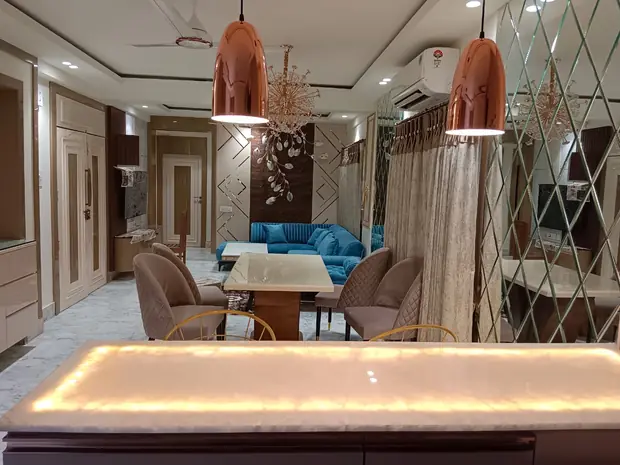
Rich materials, statement lighting, walk-in wardrobes and a dining space made for gatherings.
Get a quote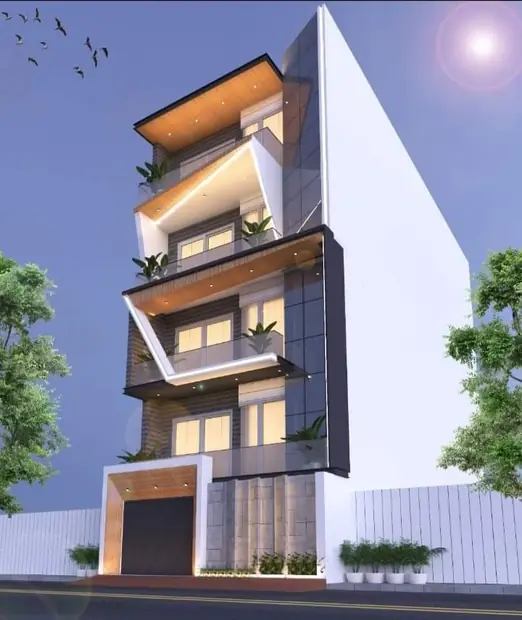
Double-height spaces, staircase & facade design and a single design language across both floors.
Get a quoteShare your floor plan or a few photos on WhatsApp — we’ll call you back with ideas, a site-visit slot and an honest estimate.